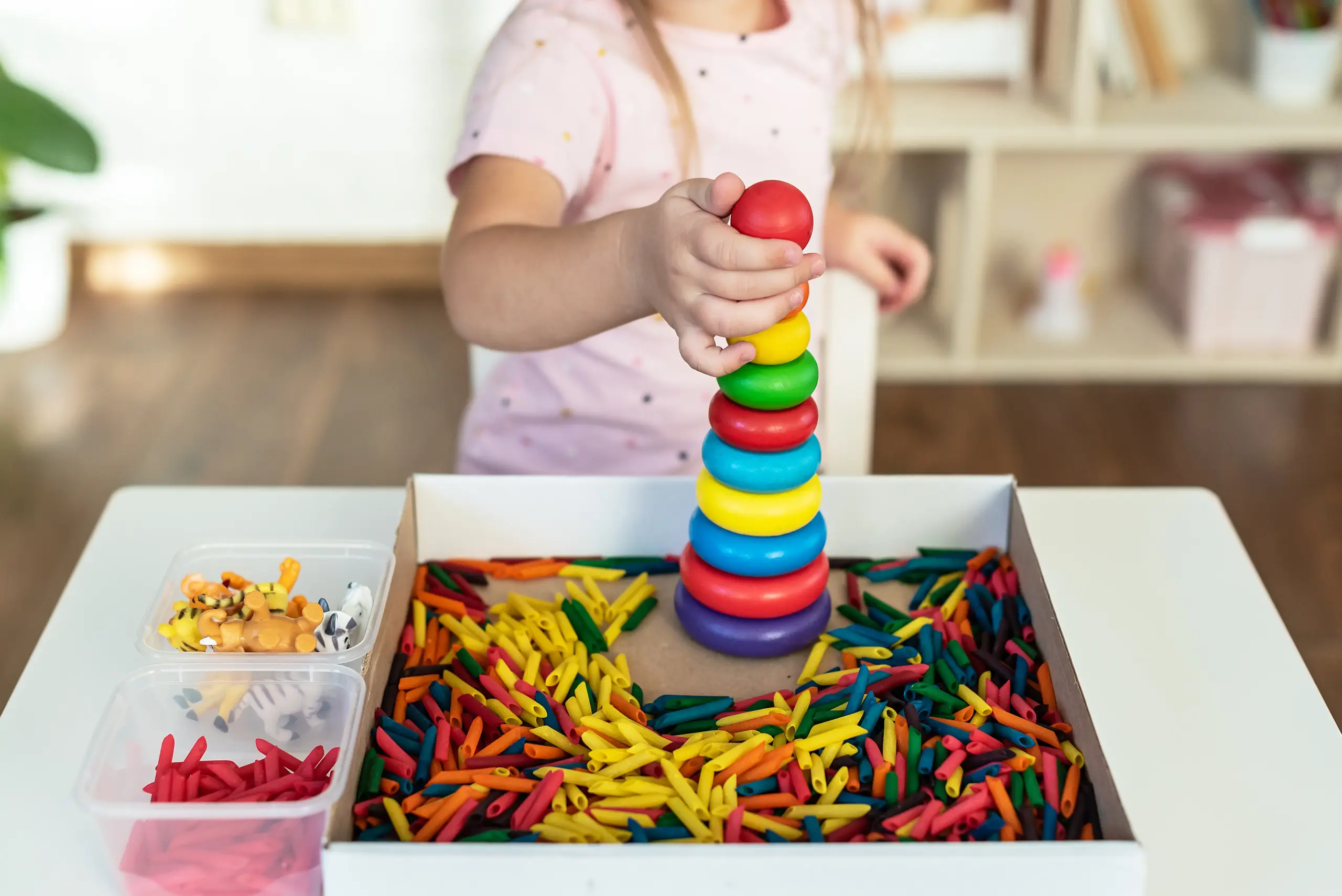
Sensory play is evolving — and one of the biggest trends to watch in 2025 is the push toward eco-friendly, nature-inspired sensory experiences. At Sensory Bins India, we believe in creating play that is not only developmentally rich, but also sustainable. Here’s why this trend matters, and how parents can bring it home.
1. What Is Eco-Sensory Play?
Eco-sensory play means designing sensory activities using materials and themes that are sustainable, non-toxic, and inspired by nature. Instead of bright plastic beads or synthetic fillers, imagine sensory bins filled with natural textures — like sand, wood shavings, dried leaves, biodegradable beads, or organic rice.
This trend isn’t just about aesthetics: it reflects a deeper desire among parents to ground their child’s play experience in the natural world, while also minimizing environmental impact.
2. Why This Trend Is Growing
- Parental Awareness: Parents today are more environmentally conscious than ever. Choosing natural or recycled materials for sensory play is becoming a priority for many.
- Safety & Health: Using eco-friendly materials reduces exposure to harmful chemicals — something especially important for young children who tend to put things in their mouths.
- Developmental Benefits: Nature-themed sensory play helps children connect with natural textures and elements, which can support grounding, curiosity, and emotional regulation.
- Market Demand: The sensory toy market is responding: more sustainable products, modular designs, and multisensory nature-based items are being launched.
3. How to Create Eco-Sensory Bins at Home
Here are some simple, actionable ideas for parents who want to bring eco-sensory play into their homes:
- Use Natural Fillers: Try dry rice, oatmeal, bamboo shreds, or natural sand. These are biodegradable and safer for the environment.
- Add Nature Elements: Incorporate clean stones, pine cones, dried leaves, or wooden beads to give texture and realism.
- DIY Tools: Use spoons, scoops, and cups made from wood or bamboo instead of plastic.
- Rotate Themes: Create sensory bins based on nature themes — forest, beach, mountains. You can switch these seasonally.
- Mindful Cleanup: Reuse or compost organic materials. Make sure non-organic parts are stored properly to prevent waste.
4. Developmental and Emotional Benefits
- Sensory Regulation: Natural textures can be calming and grounding, aiding in emotional self-regulation.
- Learning & Exploration: Through nature-inspired play, children can explore concepts of geography, biology, and ecology in a tactile way.
- Sustainability Mindset: Introducing children to sustainable play fosters early awareness about the environment and caring for nature.
5. Why Sensory Bins India Is a Great Partner for This Trend
At Sensory Bins India, we’re aligned with this eco-sensory movement:
- We design with safety first, offering non-toxic and child-safe materials.
- Our sensory bin kits can be customized — you can mix natural elements to create themed sensory experiences.
- We’re committed to sustainable practices, sourcing materials mindfully and reducing plastic where possible.
- We help parents and educators build sensory play setups that are not just fun, but also thoughtful and globally conscious.
Final Thought
Eco-sensory play isn’t just a passing fad — it’s part of a broader shift in how we think about children’s play and the planet. As caregivers, we have the power to choose play experiences that nourish our children and respect our environment. By embracing this trend, Sensory Bins India can lead the way in making sensory play greener, more intentional, and deeply meaningful.